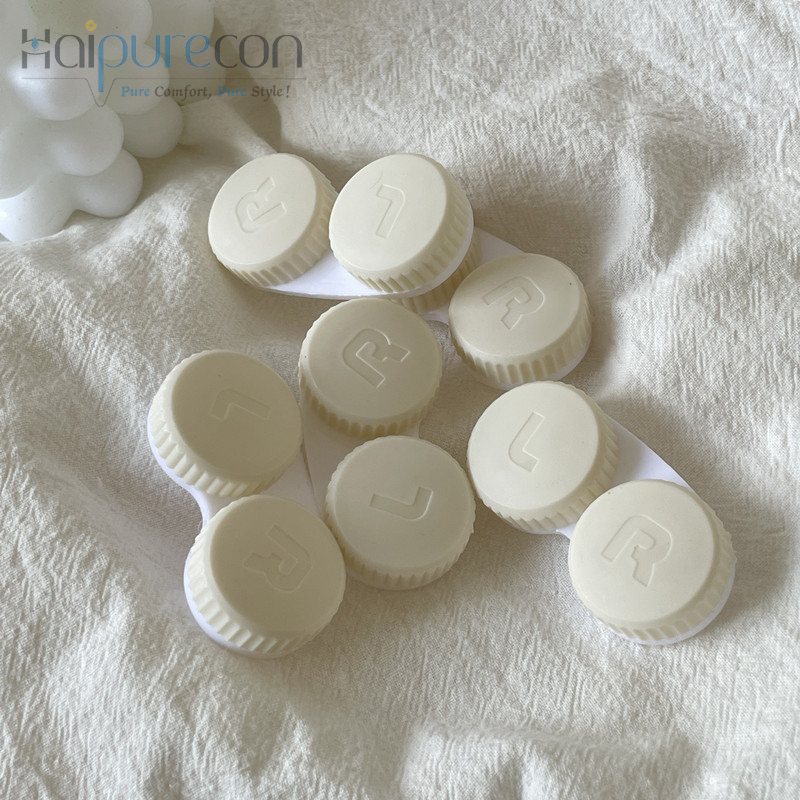
Proper storage of contact lens cases and contact lenses is often overlooked, yet it plays a crucial role in maintaining eye health, comfort, and safety. Whether you wear contact lenses for vision correction, cosmetic reasons, or occasional use, how you store them can literally make or break your experience. From preventing microbial contamination to preserving lens integrity, this ultimate guide dives deep into contact lens storage best practices, expert recommendations, common mistakes, and fresh storage ideas that align with the latest eye care trends in 2025–2026.
With the right storage strategies, you can enjoy clearer vision, hassle‑free lens routines, and reduced risk of irritation or infection. Let’s explore everything you need to know—from how to prepare and store your lenses to organizing dozens of unopened packs, and why replacing your contact lens case is more important than you might think.
Why Contact Lens Storage Matters
Storing contact lenses properly is not merely about convenience—it’s a medical necessity. Improper lens storage has been strongly linked to eye infections and microbial contamination, especially when cases harbor bacteria or fungi. Research shows that contact lens storage cases frequently become contaminated with microbes like Pseudomonas and Staphylococcus, which can transfer to lenses and lead to sight‑threatening problems such as microbial keratitis or corneal ulcers.
The Link Between Storage and Eye Infections
Issue
What It Means
Microbial contamination
Biofilms in old or poorly cleaned cases transfer to lenses, increasing infection risk.
Incorrect solutions
Using tap water or mixing old/new solution can introduce harmful microbes.
Environmental hazards
Storing lenses in humid or dirty places can compromise lens hygiene.
Thus, understanding correct storage—not just wearing technique—can dramatically improve lens safety and longevity.
Contact Lens Storage Basics: What You Must Know
Effective storage of contact lenses and contact lens cases begins with foundational hygiene and processes. Below are the core principles every wearer should adopt.
Always Start with Clean Hands
Before you touch your lenses or storage case, wash your hands thoroughly with soap and dry them with a lint‑free towel. Avoid soaps that contain moisturizers or fragrances, which can leave residues on your fingers and transfer to your lenses.
Never Use Water
Contact lens cases and lenses should never be rinsed or stored with tap water, saliva, or non‑sterile fluids. These can introduce dangerous organisms like Acanthamoeba, a waterborne microbe known to cause severe eye infections.
Use Fresh Contact Lens Solution
Every time you store your lenses, fill the case with fresh sterile contact lens solution. Do not “top off” old solution, as mixing old with new solution reduces the disinfecting effectiveness and increases contamination risk.
How to Properly Store Contact Lenses in Contact Lens Cases
Below is a step‑by‑step storage process recommended by eye care professionals.
Step‑by‑Step Contact Lens Storage Routine
Step
Action
Purpose
1
Wash and dry hands thoroughly
Removes oils, microbes, and debris.
2
Clean your lenses with solution
Removes proteins and deposits before storage.
3
Place lenses in corresponding wells (L/R)
Prevents mix‑ups when storing or inserting.
4
Fill case fully with fresh solution
Ensures lenses are fully disinfected.
5
Seal the case tightly
Prevents accidental contamination.
6
Store case in a cool, dry place
Avoids humidity and saturation.
7
Replace solution daily
Keeps disinfection active and effective.
Following this routine ensures your contact lenses stay clean, disinfected, and ready to wear without unnecessary risk.
Best Contact Lens Storage Ideas for Home
Proper lens storage doesn’t stop at hygiene. It extends to organization, environment, and ease of use—especially if you own many lens packs or travel often. Here are smart storage ideas for all lens wearers.
Store in a Cool, Dry Place
Keep your contact lens cases and unused lenses in a place that is not humid—avoid bathrooms and steamy counters. Instead, choose a vanity, drawer, or dedicated shelf that stays consistent in temperature and humidity.
Use Labeled Containers for Multiple Lenses
If you purchase lenses in bulk (such as yearly or bi‑year supplies), organize the boxes in labeled containers or drawer dividers. Keep unopened packs stored by expiration date and type for easy access.
Keep Lens Cases Separate from Other Items
Contact lens cases should not be stored alongside makeup, lotions, or other bathroom products. Cross‑contamination from cosmetics or skincare containers increases the risk of microbial growth on cases or lids.
Travel Lens Storage Ideas
For frequent travelers:
Use a small rigid container to hold your contact lens cases and extra solution bottles.
Always pack enough solution and a travel case—never rely on hotel supplies.
Avoid storing your lens case in checked luggage where temperature extremes could damage solution effectiveness.
Why Replacing Your Contact Lens Case Matters
Although cleaning your contact lens case is essential, it’s not enough on its own. Practitioners recommend replacing your case every three months—or sooner if it shows wear, cracks, or discoloration—because cases are common reservoirs for microbes.
Replacement Interval Recommendations
Frequency
Why It Matters
Every 3 months
Prevents biofilm buildup and contamination.
Sooner if damaged
Cracks and worn caps allow moisture and microbes in.
After exposure to water
Any water exposure may necessitate immediate replacement.
Research indicates that more than half of contact lens cases can become contaminated if not regularly cleaned and replaced, and this contamination is directly associated with severe eye infections.
Common Mistakes in Contact Lens Storage and How to Avoid Them
Even informed wearers can fall into storage mistakes that jeopardize lens hygiene. Avoid these common errors:
❌ Topping Off Old Solution
Adding new solution on top of the old reduces disinfecting power and can promote microbial growth. Always empty and refill with fresh solution.
❌ Rinsing Lenses or Cases with Water
Tap water may contain Acanthamoeba and bacteria, and even sterile‑looking water can introduce contaminants. Never use water for any part of the storage process.
❌ Storing in Humid Spaces
Bathrooms and laundry rooms have high humidity and are breeding grounds for bacteria and mold that can contaminate your contact lens cases.
❌ Leaving Lenses in Case Too Long
If you plan not to use your lenses for an extended time, discard them as recommended. Contacts left in solution too long can degrade and harbor bacteria.
Advanced Contact Lens Storage Tips and Technology
With eye care advancing, storage ideas are evolving too:
Antimicrobial Storage Cases
Newer contact lens cases are designed with antimicrobial materials or coatings that help reduce biofilm formation and bacterial colonization.
Specialized Case Designs
Some cases have built‑in visors for easier lens lift, ergonomic grips to reduce finger contact, or double‑seal caps for extra protection against contamination.
Digital Tracking
Apps and smart reminders can prompt you to:
Change your case every 3 months
Replace solution daily
Track expiration dates of unopened lenses
These digital storage ideas help you manage contact lenses more efficiently and reduce human error in hygiene routines.
Storage Ideas for Specific Lens Types
Different lenses might require special storage consideration:
Daily Disposable Lenses
Daily disposable lenses typically don’t require long‑term storage since they are used once and discarded. However, storage of unopened packs should avoid heat and humidity—as extreme temperatures can warp lens materials.
Extended Wear or Monthly Lenses
For lenses worn over weeks or months:
Store only in solution recommended by your eyecare provider.
Consider using hydrogen peroxide systems for deeper disinfection (but follow neutralizing instructions precisely).
How to Organize Contact Lens Supplies at Home
An organized system simplifies your lens routine and ensures nothing is forgotten. Try these setup ideas:
Lens Station
Create a small dedicated area for all lens accessories:
Contact lens cases
Contact lens solution
Unopened boxes of lenses
A weekly/daily hygiene checklist
Calendar Reminders
Use wall or app reminders for regular tasks such as: ✔ Case replacement every 3 months ✔ Checking expiration dates of solutions and packs ✔ Ordering new lenses before stocks run low
Hygiene Trays
Keep a small tray with a soft towel or tissue to place your open case while it dries (caps off). This prevents contamination from countertops or cloth surfaces.
FAQs
1. How often should I clean my contact lens case?
Clean your case with fresh lens solution after every use and allow it to air dry with the caps off. Replace the case at least every three months.
2. Can I store contact lenses in tap water if I don’t have solution?
No—tap water can introduce harmful microorganisms and dramatically increase infection risk.
3. Is it safe to reuse contact lens solution in my case?
No. Reusing old solution or “topping off” reduces disinfecting effectiveness—always discard and refill with fresh solution.
4. Where should I store unopened contact lenses at home?
Keep unopened lenses in a cool, dry place away from humidity, direct sunlight, and temperature extremes.
5. Can a dirty contact lens case cause eye infections?
Yes—cases frequently harbor microbes and biofilms. Poor storage hygiene significantly increases the risk of eye infections such as keratitis.