Choosing the right Contact Lens diameter is one of the most important decisions every wearer—or buyer—must make. Contact lenses don’t just correct your vision; they also affect comfort, eye appearance, and even how your eyes adapt to daily activities. Among cosmetic and corrective lenses, diameters like 14.0mm Contacts, 14.2mm Contacts, and 14.5mm Contacts are the most common choices available today. Understanding the differences between them and how each interacts with your eye anatomy and aesthetic goals can dramatically improve your lens experience.
In this comprehensive guide, we’ll explore everything from how diameter impacts comfort, visual appearance, and fit, to what current trends and consumer preferences tell us about choosing the best Contact Lens size for your needs. With data comparisons, clear tables, and actionable insights, this article aims to be your go‑to resource for Contact Lens diameter understanding in 2025 and beyond.
What Is Contact Lens Diameter?
The Contact Lens diameter is the full width of the lens from one edge to the other, measured in millimeters. This figure appears on every lens specification under “DIA” (Diameter) and indicates how large the lens will sit on your eye. Generally, soft Contact Lens diameters range from around 13.0mm to 14.5mm, with 14.0mm Contacts, 14.2mm Contacts, and 14.5mm Contacts being especially popular in both daily wear and cosmetic colored lenses.
The diameter affects:
Fit and comfort
Visual coverage of the cornea
Aesthetic effects (natural vs. enhanced look)
How the lens interacts with your eyelids during blinking
Determining the correct Contact Lens diameter is not just about preference; it influences whether a lens sits well on your eye long‑term without irritation.
Why Contact Lens Diameter Matters
To understand why diameter matters, consider a lens that’s too small for your eye. It may shift or move excessively, affecting visual clarity and comfort. A lens that’s too large might rub against the eyelid or irritate the sclera (the white part of your eye). Choosing the best diameter ensures that your Contact Lens fits securely, comfortably, and performs as expected throughout the day.
Most people’s corneal diameter falls somewhere between 11.5mm and 12.0mm, but the Contact Lens diameter always extends beyond the cornea to ensure lens stability.
Common Contact Lens Diameters Compared
Below is a comparison of the most popular Contact Lens diameters—14.0mm Contacts, 14.2mm Contacts, and 14.5mm Contacts—and how each is positioned for different needs:
| Diameter | Typical Use | Visual Effect | Comfort & Fit | Best For |
| 14.0mm Contacts | Standard everyday lenses | Natural or subtle eye appearance | Often most comfortable for smaller eyes | Daily wear, first‑time users |
| 14.2mm Contacts | Most popular mid‑range | Balanced natural enhancement | Good stability and comfort | Everyday wearers |
| 14.5mm Contacts | Slight enlargement effect | Slight eye size enhancement | May feel slightly larger | People seeking more visible effect |
Key takeaway: 14.2mm Contacts often strike the best balance between comfort and visible appearance, making them a widely recommended standard size—especially for those new to colored or cosmetic lenses.
How Contact Lens Diameter Affects Comfort
Comfort is the cornerstone of Contact Lens success. The diameter directly influences how the lens interacts with your eyelids during blinking and eye movement. Here's how comfort can differ based on diameter:
14.0mm Contacts – Comfort‑Focused
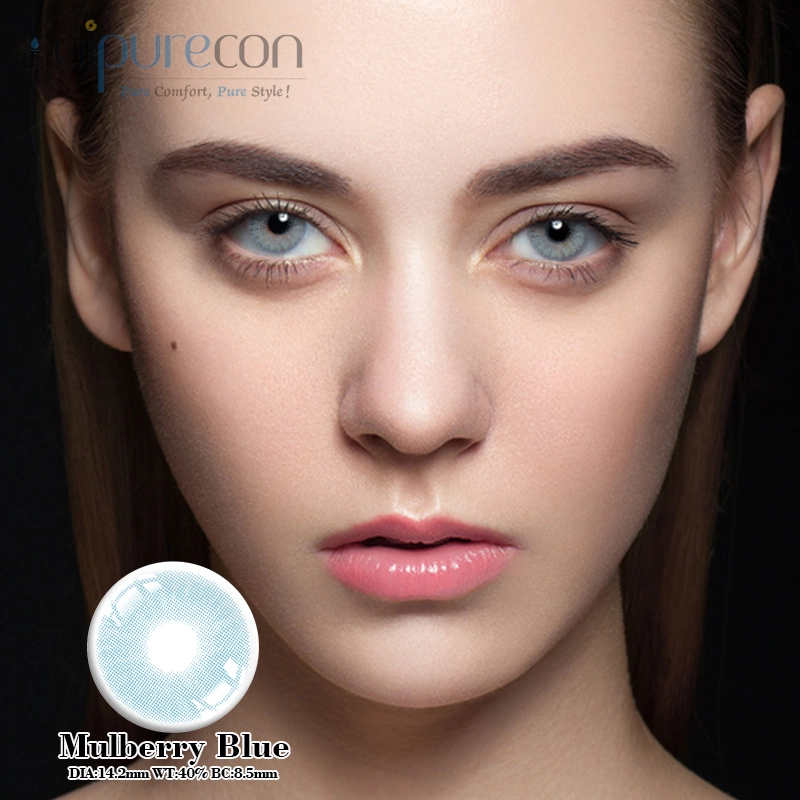
Smaller diameters like 14.0mm Contacts are known for fitting snugly and naturally with many eye shapes. They tend to move less, reducing irritation and dryness, which makes them ideal for new Contact Lens wearers or those prioritizing all‑day comfort.
Best fit when:
✔ Your corneal diameter is slightly smaller
✔ You prefer lenses that feel like they “disappear” on your eye
14.2mm Contacts – Balanced Comfort & Look
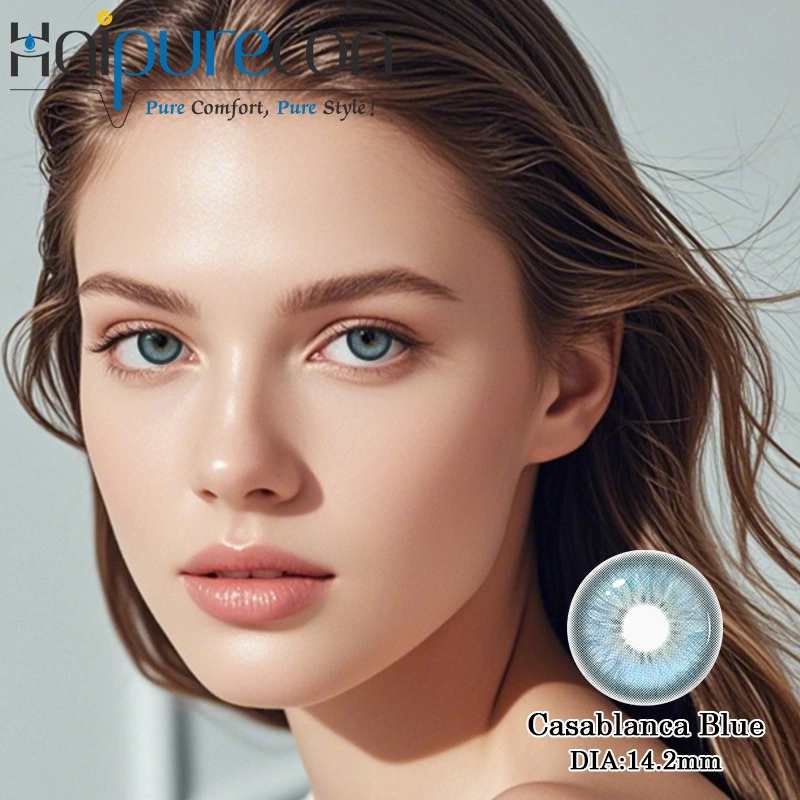
The 14.2mm Contacts size sits in the sweet spot for most wearers. This diameter offers enough coverage to feel stable without overpowering your natural eye shape. It’s often seen as the most universally comfortable and visually appealing option for daily Contact Lens wear and cosmetic enhancement. Designs in this size are especially common in color Contact Lens lines.
Best fit when:
✔ You want a reliable everyday Contact Lens
✔ You’re unsure which diameter to try first
✔ You want a natural yet noticeable aesthetic
14.5mm Contacts – Enhanced Aesthetic Effect
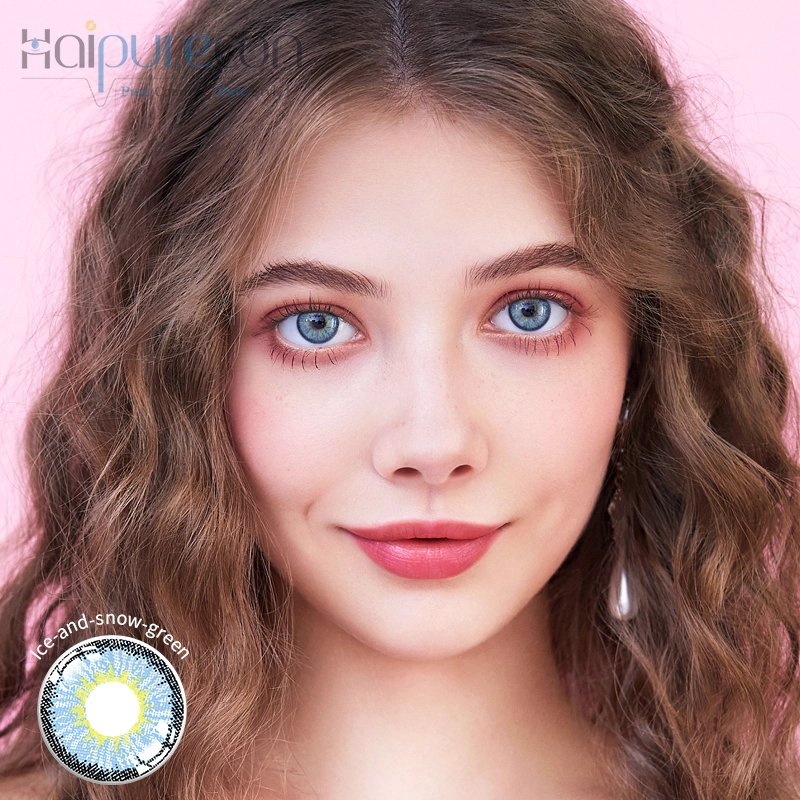
If you’re seeking a more noticeable eye appearance—perhaps for fashion, photography, or casual outings—14.5mm Contacts provide a slightly enhanced look without going into full cosplay‑style sizes. These lenses can make your eye look larger and more defined, especially when paired with a defined limbal ring or colored design.
Best fit when:
✔ You want a noticeable but still wearable enhancement
✔ You prefer a slightly bold aesthetic
Contact Lens Diameter and Eye Health
Choosing the right Contact Lens diameter not only affects comfort; it also influences physiological health:
Too small: May slide or shift excessively, irritating the cornea.
Too large: Can interfere with eyelid closure or block tear flow, causing dryness.
Proper fit: Supports tear exchange and reduces mechanical stress on the eye.
Before selecting a diameter, it’s important to consult an eye care professional who can measure your corneal curvature and eyelid tension. These measurements determine the best diameter and base curve for your eyes, minimizing complications.
Aesthetic Impact: Natural vs Dramatic Look
Different diameters can create visually distinct results. Although the differences in millimeters may seem small, they can profoundly influence how your eyes are perceived:
Natural Enhancement
14.0mm Contacts and 14.2mm Contacts often look more subtle and natural.
These sizes are ideal if you want color or slight enlargement without huge dramatic changes.
They create an effect that blends with your natural features and works well for everyday wear.
Noticeable Enhancement
14.5mm Contacts tend to create slightly larger‑looking irises, giving a soft enhancement.
For individuals who enjoy a more expressive look but not extreme enlargement, this size is popular.
How to Choose the Right Contact Lens Diameter for You
Here’s a step‑by‑step breakdown of how to pick your ideal Contact Lens diameter:
1. Measure Corneal Size and Eyelids
An eye care professional will measure your eye’s horizontal visible iris diameter (HVID) and eyelid width for accuracy. These figures help determine which diameter will sit comfortably on your eye.
2. Consider Your Daily Use
Ask yourself:
Will I wear these lenses daily?
Do I need them for work, school, or special events?
Am I prioritizing comfort or visual impact?
If daily comfort is a priority, 14.0mm Contacts or 14.2mm Contacts are often recommended. For fashion or aesthetic emphasis, 14.5mm Contacts might be preferred.
3. Decide Your Aesthetic Goals
If you want:
Combining diameter with Contact Lens color or pattern can also influence the final look.
4. Do a Trial Fit
Many brands offer sample packs. Trying different diameters can show how each feels and appears in real life — especially when worn for a few hours.
Trend Insights: Diameter Preferences in 2025
In recent years, consumer trends have shown:
14.2mm Contacts remain the most popular choice for everyday wear due to excellent balance between comfort and aesthetic enhancement.
Many wearers opt for 14.5mm Contacts when seeking a more expressive look without stepping into non‑standard sizes.
14.0mm Contacts are often recommended for outfits or lifestyles that focus on minimal, natural enhancement.
Additionally, circle lenses (which may extend beyond typical diameter due to colored graphic design) show that diameter plays a role in perceived eye size — and preferences vary across regions and age groups.
Common Misconceptions About Contact Lens Diameter
Let’s clarify some myths:
Myth 1: Bigger Diameter = Always Better Look
Not true. While larger lenses like 14.5mm Contacts can make the eyes appear slightly bigger, going too large can cause discomfort and look unnatural.
Myth 2: Diameter Is the Only Comfort Factor
Comfort also depends on base curve, material, water content, and edge design — not just diameter.
Myth 3: All Lenses of the Same Diameter Fit the Same
Diameter interacts with material and base curve. The same diameter from different brands can feel different. Always measure and try.
Quick Reference: Which Contact Lens Diameter Should You Choose?
| Goal | Recommended Diameter |
| Most natural everyday wear | 14.0mm Contacts |
| Balanced comfort & enhancement | 14.2mm Contacts |
| Slight enlargement & defined look | 14.5mm Contacts |
FAQs About Contact Lens Diameter
1. Can I switch between 14.0mm Contacts and 14.2mm Contacts?
You can, but comfort and fit may vary. Always ensure your eye care professional approves the change.
2. Is there a diameter that suits everyone?
No — ideal diameter depends on eye shape, eyelids, and comfort preferences. A professional fit is recommended.
3. Does diameter affect vision quality?
While it doesn’t change prescription performance, the diameter influences where the lens sits and can subtly affect clarity and stability.
5. How does diameter interact with colored Contact Lens patterns?
Colored designs can extend beyond the physical diameter for visual effect. Understand graphic diameter vs physical diameter for best selection.


