
Views: 0 Author: Site Editor Publish Time: 2026-02-15 Origin: Site


Did you know that myopia affects nearly 30% of the global population? This common vision issue can make everyday tasks challenging. Myopia contact lenses offer a practical solution for those struggling with nearsightedness. In this article, we’ll explore everything you need to know about myopia contact lenses. From types and materials to care tips and environmental considerations, you’ll find valuable insights to help you make informed choices.
Myopia, commonly known as nearsightedness, is a vision condition where nearby objects appear clear, while distant ones are blurry. This occurs when the eyeball is too long or the cornea has too much curvature. As a result, light rays focus in front of the retina instead of directly on it.
Several factors contribute to the development of myopia:
● Genetic Factors: If one or both parents are myopic, the likelihood of their children developing myopia increases significantly. Studies suggest that children with myopic parents are up to three times more likely to be affected.
● Environmental Factors: Prolonged near work, such as reading or using digital devices, can increase the risk of developing myopia. Outdoor activities are believed to help reduce this risk, as exposure to natural light may promote healthy eye development.
● Age: Myopia often begins in childhood and can progress until the late teens or early twenties. Early diagnosis and intervention are crucial.
Recognizing the signs of myopia is essential for timely treatment. Here are common symptoms to look out for:
● Blurry Vision: Difficulty seeing distant objects clearly is the hallmark of myopia. This can affect activities like driving, watching movies, or participating in sports.
● Squinting: People with myopia often squint to see better, which can lead to eye strain and discomfort.
● Eye Strain and Headaches: Frequent headaches or tired eyes, especially after prolonged reading or screen time, can indicate myopia.
● Difficulty Seeing at Night: Myopic individuals may struggle more in low-light conditions, making it hard to drive safely after dark.
Myopia can significantly affect a person's daily activities and quality of life. Here are some areas where its impact is evident:
● Education: Students with myopia may struggle to see the board, affecting their learning experience. This can lead to frustration and lower academic performance.
● Sports and Recreation: Activities like playing sports or enjoying outdoor events can be challenging for those with uncorrected myopia. They may miss out on experiences simply because they can't see clearly.
● Work: Many professions require good vision. Myopia can hinder performance, especially in jobs that involve detailed work or extensive reading.
Symptom | Description |
Blurry Vision | Difficulty seeing distant objects clearly |
Squinting | Reducing light entry to improve focus |
Eye Strain | Discomfort after prolonged near work |
Headaches | Frequent pain due to eye fatigue |
Difficulty at Night | Trouble seeing in low-light conditions |
Understanding myopia and its effects is the first step toward finding effective solutions, such as myopia contact lenses. These lenses can greatly enhance vision and improve daily life for those affected.
By recognizing the symptoms and causes, individuals can take proactive steps to manage their vision health effectively.
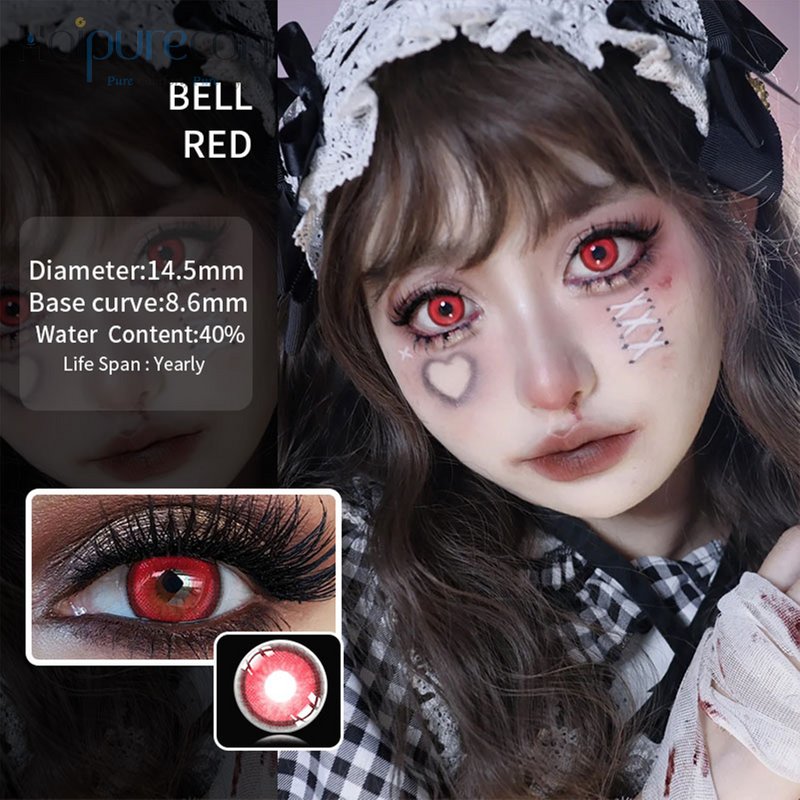
When it comes to correcting myopia, various contact lens options are available. Understanding the types of myopia contact lenses can help you make an informed choice that suits your lifestyle and vision needs.
Soft contact lenses are among the most popular choices for myopia correction. They are made from flexible materials that conform to the shape of your eye, offering comfort and ease of use.
● Comfortable Fit: Soft lenses are often more comfortable for first-time wearers due to their soft material.
● Breathability: Many modern soft lenses allow oxygen to reach the eye, reducing dryness and irritation.
● Variety: They come in daily, bi-weekly, and monthly options, catering to different preferences.
Some well-known brands include:
● Acuvue: Offers a range of soft lenses specifically designed for myopia.
● Air Optix: Known for their high oxygen permeability.
● Biofinity: Provides extended wear options for those who prefer longer usage periods.
RGP lenses are another effective option for myopia correction. Unlike soft lenses, these are made from firm plastic that allows oxygen to pass through.
● Durability: RGP lenses are more resistant to deposits and can last longer than soft lenses.
● Sharper Vision: They often provide clearer vision, especially for higher prescriptions.
● Customization: RGP lenses can be tailored to fit specific eye shapes and conditions.
Consider RGP lenses if:
● You have a high prescription or astigmatism.
● You desire a lens that offers sharper vision.
● You are looking for a long-term, cost-effective option.
Ortho-K lenses are specially designed to reshape the cornea overnight. This innovative method allows for clear vision during the day without the need for glasses or contact lenses.
These lenses are worn while you sleep, gently flattening the cornea. Upon waking, you can enjoy clear vision throughout the day.
● Non-Surgical Option: Ideal for those who want to avoid surgery.
● Slows Myopia Progression: Studies suggest Ortho-K can help slow the progression of myopia in children.
● Convenience: Enjoy freedom from glasses or contacts during the day.
Multifocal contact lenses cater to myopic patients who also experience presbyopia, a condition that affects near vision with age.
These lenses feature multiple zones for different distances, allowing wearers to see clearly both up close and far away.
● Design: Multifocal lenses have different prescriptions in one lens, unlike standard lenses that correct for only one distance.
● Adaptation: It may take some time for users to adapt to the different zones, but many find them beneficial for daily activities.
Type | Comfort Level | Vision Clarity | Durability | Recommended For |
Soft Contact Lenses | High | Good | Moderate | General myopia correction |
Rigid Gas Permeable | Moderate | Excellent | High | High prescriptions |
Orthokeratology (Ortho-K) | High | Very Good | Moderate | Overnight wear |
Multifocal Lenses | Moderate | Good | Moderate | Myopia with presbyopia |
Choosing the right type of myopia contact lenses can significantly enhance your vision and overall quality of life. Each option has unique features and benefits, making it essential to consider your specific needs and preferences.
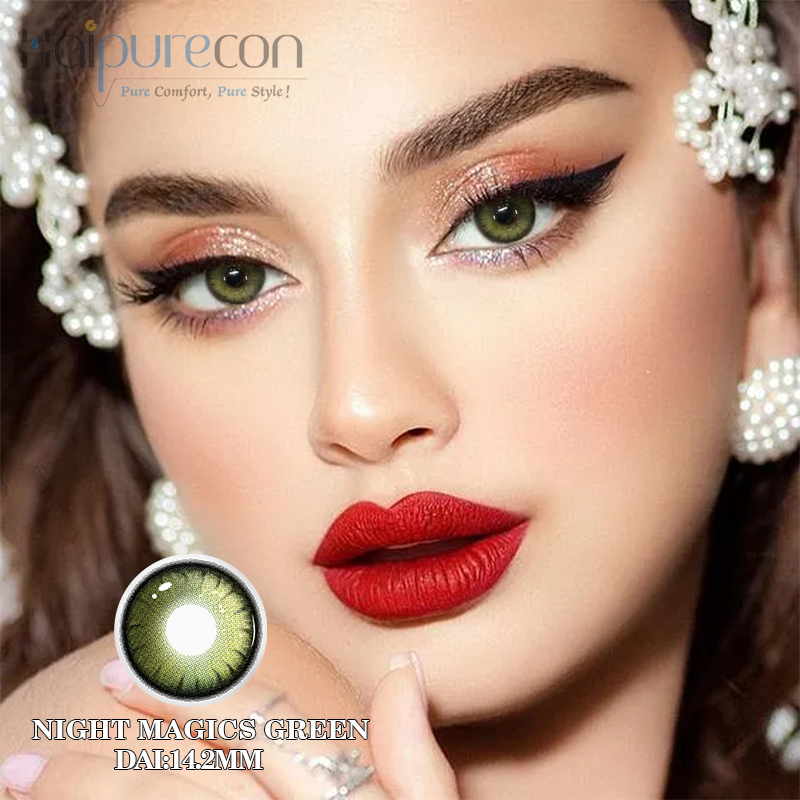
Selecting the right myopia contact lenses can feel overwhelming. However, understanding key factors can simplify the decision-making process. Let’s break down what you need to consider.
When shopping for myopia contact lenses, several factors come into play:
● Prescription Accuracy and Eye Exam Importance: Always start with a comprehensive eye exam. This ensures your prescription is accurate, which is crucial for optimal vision correction. An up-to-date prescription helps avoid discomfort and ensures the lenses fit your eyes perfectly.
● Lifestyle and Daily Activities: Think about your daily routine. Are you active in sports or work long hours at a computer? Different lenses suit various lifestyles. For example, if you play sports, you might prefer durable lenses that stay in place. If you spend a lot of time on screens, consider lenses designed to reduce eye strain.
● Comfort and Fit: Comfort is key when wearing contact lenses. You want lenses that feel good throughout the day. Pay attention to the fit; poorly fitting lenses can cause irritation. Always try on lenses before committing, and consider brands known for their comfort.
Lenses are made from different materials, each with its benefits and drawbacks. Here’s a quick overview:
● HEMA (Hydroxyethyl Methacrylate): A traditional material used in soft lenses. It’s comfortable but may not provide the best oxygen permeability.
● Silicone Hydrogel: Offers superior oxygen transmission, making it healthier for the eyes. These lenses are great for extended wear but may be pricier.
● Rigid Gas Permeable (RGP): While less flexible, RGP lenses provide excellent vision clarity and are durable. They require an adjustment period but can be a great choice for long-term wear.
Material Type | Pros | Cons |
HEMA | Comfortable, affordable | Limited oxygen permeability |
Silicone Hydrogel | High oxygen transmission, suitable for extended wear | Generally more expensive |
Rigid Gas Permeable | Excellent vision, durable | Requires adjustment, less comfortable initially |
Water content in contact lenses plays a significant role in comfort and eye health.
● Importance of Water Content for Comfort: Higher water content can make lenses feel more comfortable, especially in dry environments. However, too much water can reduce lens durability.
● Recommended Levels for Myopia Lenses: Most soft lenses have water content ranging from 38% to 70%. For myopia contact lenses, a water content of around 40-60% is often ideal. This balance ensures comfort while maintaining lens integrity.
Choosing the right myopia contact lenses involves considering your prescription, lifestyle, and the materials available. By understanding these factors, you can find lenses that fit your needs and enhance your vision.
Taking care of your myopia contact lenses is essential for maintaining eye health and ensuring clear vision. Proper cleaning, timely replacement, and comfort adjustments are key to a successful lens-wearing experience.
Keeping your lenses clean is crucial for preventing infections and ensuring comfort. Here are some daily cleaning routines you should follow:
● Daily Cleaning Routines:
○ Always wash your hands thoroughly before handling your lenses.
○ Use a recommended cleaning solution to clean your lenses after each use. Avoid using water or saliva, as these can introduce harmful bacteria.
○ Store lenses in a clean case filled with fresh solution. Replace the solution daily to prevent contamination.
● Recommended Cleaning Solutions:
○ Multipurpose Solutions: These are convenient for cleaning, rinsing, and storing lenses. Brands like Opti-Free and ReNu are popular choices.
○ Hydrogen Peroxide Solutions: Great for deep cleaning, but they require a neutralizing step before lenses can be worn.
○ Saline Solutions: Useful for rinsing but not for cleaning. Always pair them with a multipurpose solution for effective cleaning.
Knowing when to replace your lenses is vital for eye health. Here’s how to identify signs of damage:
● How to Identify When Lenses Need Replacing:
○ Look for scratches, discoloration, or warping. If the lens feels rough or has visible deposits, it’s time to replace it.
○ If you experience discomfort, dryness, or blurry vision, these could be signs that your lenses are past their prime.
● Importance of Timely Replacement:
○ Wearing damaged or old lenses can lead to discomfort and increase the risk of eye infections. Always follow the replacement schedule recommended by your eye care professional.
Sometimes, lenses can slide or cause discomfort. Understanding the causes can help you find solutions.
● Causes of Sliding Lenses:
○ Poor fit is often the main culprit. If the lenses are too loose, they may move around on your eye.
○ Dryness can also cause lenses to shift. Environmental factors like air conditioning or prolonged screen time can contribute to this.
● Solutions to Improve Fit and Comfort:
○ Ensure you’re using the right lens type for your eye shape. Consult your eye care provider for fitting adjustments.
○ Consider using rewetting drops designed for contact lenses to alleviate dryness and enhance comfort.
○ If sliding persists, you might need a different lens brand or type that better suits your eyes.
Type of Solution | Purpose | Popular Brands |
Multipurpose Solutions | Cleaning, rinsing, storing | Opti-Free, ReNu |
Hydrogen Peroxide Solutions | Deep cleaning | Clear Care, AOSept |
Saline Solutions | Rinsing only | Bausch + Lomb Saline |
Proper care for your myopia contact lenses not only enhances comfort but also protects your eye health. By following these guidelines, you can enjoy clear vision and a pleasant wearing experience.
This article covers essential information about myopia contact lenses. It highlights the importance of proper cleaning and maintenance, signs of damage, and how to ensure comfort. Consulting with an eye care professional is crucial for personalized advice. Choosing the right lenses can significantly enhance your vision. Haipuming offers high-quality myopia contact lenses designed for comfort and clarity, providing excellent value for users. Their commitment to quality ensures you find the best fit for your needs.
A: Myopia contact lenses are specially designed to correct nearsightedness, allowing clearer vision for distant objects.
A: Proper cleaning and maintenance are essential. Use recommended solutions daily to ensure lens hygiene and comfort.
A: Myopia contact lenses offer a wider field of vision and eliminate the hassle of wearing glasses during activities.
A: Replacement frequency depends on the type of lenses. Daily disposables should be changed every day, while monthly lenses need replacing every month.
A: If your myopia contact lenses are uncomfortable, check for proper fit and cleanliness. Consult your eye care professional if issues persist.


