Contact lenses are an incredibly versatile and widely‑used vision correction and cosmetic tool today. From simple prescription contact lenses that help millions see clearly every day, to Cosplay Contact Lenses that make a bold fashion statement, the world of contact lenses is expansive and innovative. Whether you’re considering switching from glasses to contacts, looking to enhance your appearance, or simply curious about what options exist, this comprehensive guide will walk you through all major styles of contact lenses and their unique uses.
In this article, we’ll explore various contact lenses types and how they differ—from how often you should replace them to what they’re designed to do. We will also analyze trends, compare types, and provide easy‑to‑read tables to help you make informed decisions.
Why Contact Lenses Matter
Before diving into specific styles like Natural Style Lenses or Color Contact Lens, it’s essential to understand the broad reasons people choose contact lenses:
Vision Correction: The majority of contact lens wearers use them to correct refractive errors such as nearsightedness (myopia), farsightedness (hyperopia), and astigmatism.
Cosmetic Enhancement: Many contact lenses offer color alterations—from natural enhancements to dramatic looks.
Lifestyle Convenience: Contacts provide freedom from glasses, enhanced peripheral vision, and are ideal for active lifestyles.
Fashion and Entertainment: Lens styles such as Cosplay Contact Lenses let wearers express creativity and enhance character looks for events and performances.
Contact Lens Replacement Schedules: What You Need to Know
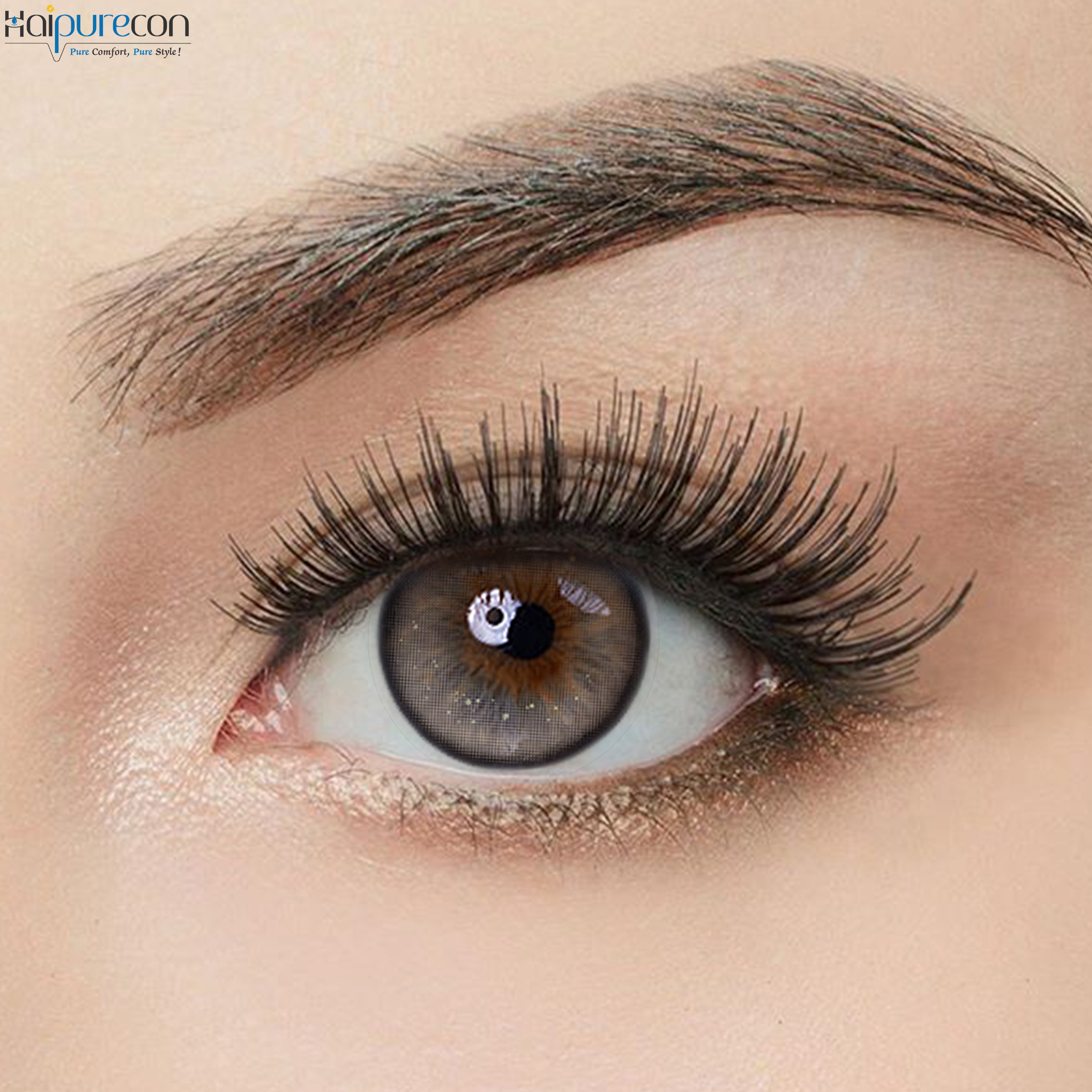
One of the first classification systems for contact lenses is the replacement schedule—that is, how often you should replace your lenses. Below is a concise comparison.
Different replacement schedules exist so wearers can match contacts to their lifestyle and budget. For example, Daily Disposable Contact Lenses are ideal for busy people or those with sensitive eyes, while Yearly Disposable Contact Lenses might appeal to users emphasizing cost‑effectiveness.
Major Styles of Contact Lenses
Below we examine all primary contact lens categories and their uses in depth.
Prescription Contact Lens — Correcting Your Vision
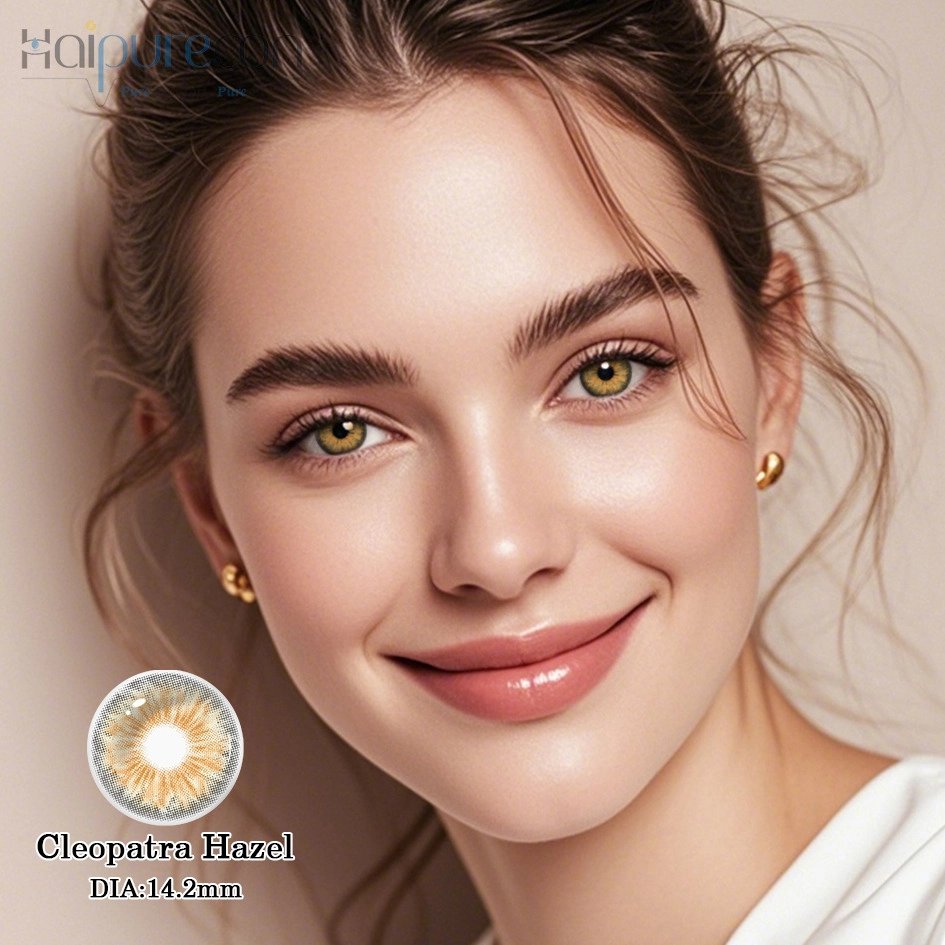
A Prescription Contact Lens is specifically tailored to correct visual impairments based on your eye doctor’s measurements. They can correct:
Prescription lenses come in various materials and replacement schedules, including daily, monthly, and yearly disposables, making them flexible for many lifestyles.
Why Choose a Prescription Contact Lens?
Provides crisp, clear vision without frames.
Better visual field compared to glasses.
Available in cosmetic versions (e.g., color‑enhancing prescription contact lenses).
Color Contact Lens — Enhanced or Transformed Eye Color
A Color Contact Lens adds artistic or natural color to your eyes in addition to, or instead of, vision correction. These lenses are designed for both aesthetic appeal and fashion expression.
Types of Color Contact Lenses
Enhancing Tint: Subtle change for natural look.
Opaque Tint: Bold transformation regardless of natural eye color.
Special Effects Lenses: Dramatic designs for cosplay and theatrical use.
Benefits include:
Natural Style Lenses — Subtle Look for Everyday Wear
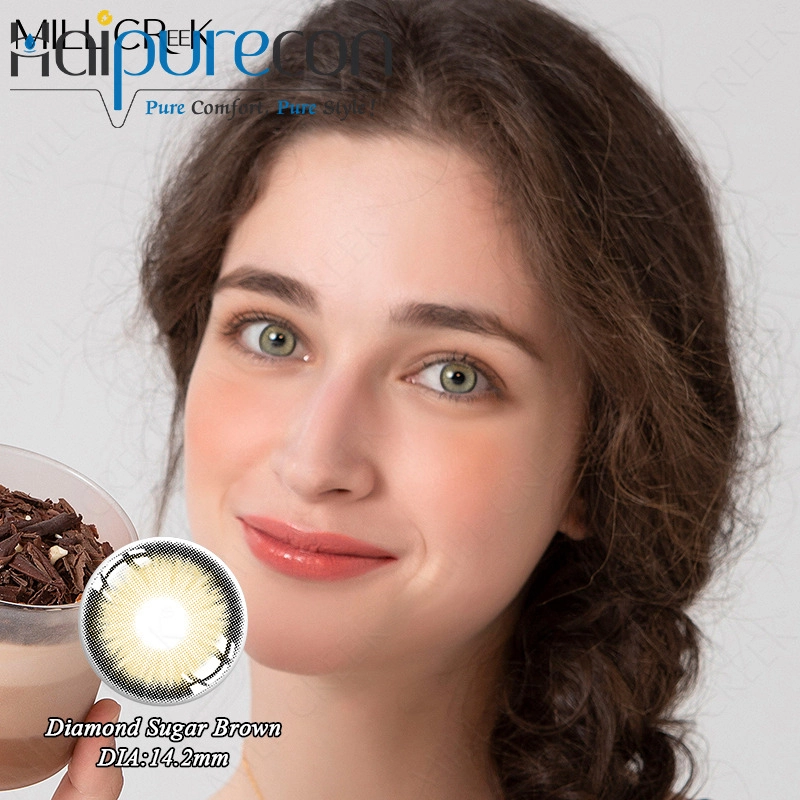
Natural Style Lenses are a subset of color contact lenses that subtly enhance your existing eye color, appearing realistic and suited for daily wear. They’re ideal if you want a slight boost to your natural eye appearance without looking “fake” or overly bold.
Natural Style Lens Features
Designed to blend seamlessly with many natural eye colors.
Often available in brown, hazel, green, and blue variants.
Available in daily, weekly, monthly, and yearly replacement options.
These lenses are popular for office wear, casual settings, and social occasions where a subtle aesthetic enhancement is desired.
Cosplay Contact Lenses — Creative and Theatrical Eye Styles
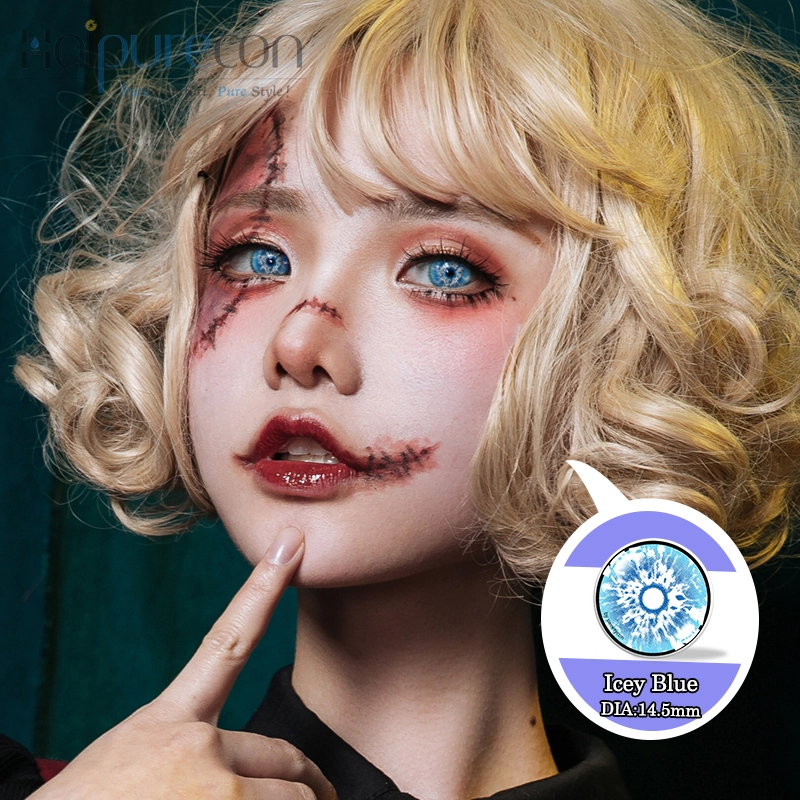
Cosplay Contact Lenses are specialized lenses that create dramatic, thematic eye appearances for costumes, performances, and fandom events. They often depict exaggerated or fantasy features.
Examples include:
Anime‑style large eye contacts
Animal eye designs (e.g., cat or dragon)
Special effects lenses for movies or plays
Cosplay lenses are usually thicker and designed to produce striking visual effects that go beyond natural enhancements.
Additional Contact Lens Styles by Use
Multifocal and Bifocal Contact Lenses
These lenses allow people with presbyopia to see clearly at multiple distances, similar to progressive eyeglasses. They’re typically prescription lenses and very helpful for older adults.
Toric Contact Lenses
Toric lenses are purpose‑built for people with astigmatism, offering a special shape that aligns on the eye to provide consistent vision. They are available in multiple replacement schedules.
Rigid Gas Permeable (RGP) and Hybrid Lenses
RGP Lenses: Harder lenses with excellent oxygen permeability, offering sharp vision.
Hybrid Lenses: Combine soft and RGP features for comfort and clarity.
Comparing Different Contact Lens Styles
Below is a clear comparison of the most widely used contact lenses based on common user criteria:
| Type of Contact Lens | Primary Use | Replacement Schedule | Best For | Visual Effect |
| Prescription Contact Lens | Vision correction | Daily, weekly, monthly, yearly | Everyday vision | Clear, corrective |
| Color Contact Lens | Aesthetic enhancement | Any | Fashion or style | Color change |
| Natural Style Lenses | Subtle color enhancement | Any | Daily natural look | Realistic eye color |
| Cosplay Contact Lenses | Costume & creative use | Depends on design | Cosplay & performance | Dramatic effects |
| Toric Contact Lenses | Correct astigmatism | Daily, monthly | Astigmatism correction | Clear, stabilized vision |
| Multifocal/Bifocal Lenses | Presbyopia | Monthly, yearly | Over 40, near/far vision | Clear distance and reading |
Trends in Contact Lens Use
Contact lenses are evolving rapidly, with trends expanding from medical necessity to style and self‑expression.
Rising Popularity of Cosmetic Lenses
More users are shifting toward cosmetic contact lenses, including both Color Contact Lens and Cosplay Contact Lenses. These lenses are increasingly embraced for social media looks, themed events, and creative fashion statements—reflecting broader trends in visual self‑expression.
Technology Meets Comfort
Advances in contact lens materials—especially silicone hydrogel—are improving comfort, oxygen permeability, and extended wearability.
Customization and Prescription Access
Today, both prescription and non‑prescription color lenses are widely available through online platforms (though professional fitting is recommended for safety).
Contact Lens Safety and Best Practices
While contact lenses offer convenience and flexibility, proper care is essential:
Always follow your eye care professional’s instructions.
Use fresh solution daily (for reusable lenses).
Never sleep in lenses unless specifically approved.
Consult an optometrist before purchasing online.
All contact lenses, even cosmetic ones, require proper hygiene to minimize risks of infection, irritation, or long‑term damage.
FAQs About Contact Lenses
1. Are cosmetic contact lenses safe without a prescription?
Even cosmetic or fashion lenses should be fitted by an eye care professional to ensure size, fit, and safety for your eyes.
2. How often should I replace my color contact lenses?
Replacement depends on the specific product type (daily, weekly, monthly, or yearly). Always follow manufacturer recommendations for replacement and care.
3. Can I wear daily disposable lenses overnight?
Most daily disposable lenses are not approved for overnight wear. Extended sleep wear can increase the risk of infection.
4. Do contact lenses affect eye health long‑term?
When properly fitted and cared for, contact lenses are safe and should not damage eyes. Regular check‑ups are essential to monitor eye health.
5. What’s the difference between toric and multifocal contact lenses?
Toric lenses correct astigmatism, while multifocal lenses help with distance and near vision (for presbyopia).


