Contact lenses are a popular vision correction solution for millions of people worldwide. They offer freedom from glasses, enhance peripheral vision, and suit varied lifestyles—from office workers and athletes to travelers and fashion‑conscious wearers. But one of the most common questions eye care professionals receive is: How long can I safely wear my contact lenses? In this comprehensive guide, we’ll explore the recommended duration for wearing contact lenses—whether they are Daily Contact Lenses, Weekly Contact Lenses, Monthly Contact Lenses, or Yearly Contact Lenses—and explain how to wear each type safely and effectively. The article also highlights current trends, professional recommendations, and data comparisons to help you make informed decisions that align with Google user search intent.
By the end of this article, you will clearly understand how long each style of contact lenses should be worn per day and per cycle, how replacement schedules work, and what factors influence wear time and eye health.
Why Wearing Time Matters for Contact Lenses
Wearing time—the number of hours you keep lenses in your eyes—is not just a matter of comfort or convenience; it directly affects your eye health. Eyes need oxygen to function properly, and even modern oxygen‑permeable lenses can reduce oxygen reaching the cornea if worn too long. Excessive wear can lead to dryness, irritation, corneal swelling, and increase the risk of infections. For many users, ensuring proper duration is the first step in safe and comfortable contact lens wear.
Contact Lens Wear Guidelines: Daily Recommendations
There is no universal “exact hours per day” for all contact lenses, because individual tolerance and lens type play important roles in safe usage. However, multiple eye care sources provide general recommended wear durations based on current clinical guidance and material science.
| Wear Duration Type | Typical Daily Wear Time | Notes |
| Daily Contact Lenses | 8–16 hours per day | Must be removed before sleep; do not reuse. |
| Weekly Contact Lenses | 8–16 hours per day | Clean nightly; replace weekly. |
| Monthly Contact Lenses | 8–16 hours per day | Clean nightly; replace monthly. |
| Yearly Contact Lenses | 8–14 hours per day | Clean nightly; replace annually (general guideline depending on lens and doctor). |
Most clinicians will recommend 8–14 hours per day of continuous wear for most lenses. Extended wear beyond this can increase the risk of dryness and irritation.
Daily Contact Lenses – Single‑Use Convenience
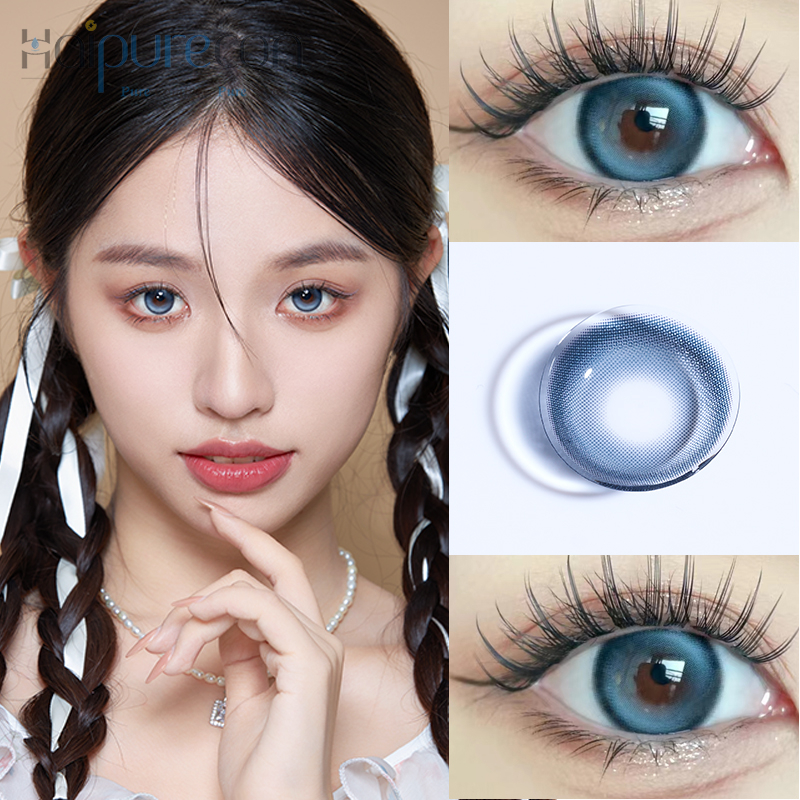
Daily Contact Lenses represent one of the most convenient and hygienic contact lens formats. They are designed to be worn once and discarded at the end of the day, eliminating the need for cleaning and storage.
Recommended Wearing Time:
Daily Wear: 8–16 hours per day, depending on comfort.
Sleep: Do not sleep in daily lenses unless explicitly approved by your eye doctor.
Reuse: Never reuse daily lenses once removed; they are not designed for multiple wears.
Advantages:
Most hygienic option due to single‑use nature.
Minimizes risk of protein buildup and bacterial contamination.
Ideal for users with allergies or sensitive eyes.
Considerations:
Daily wear time may vary based on your eye health, environment, and personal tolerance. Even within the recommended 8–16 hours, some individuals may find they need to remove daily lenses earlier due to dryness or irritation.
Weekly Contact Lenses – Balanced Convenience and Cost
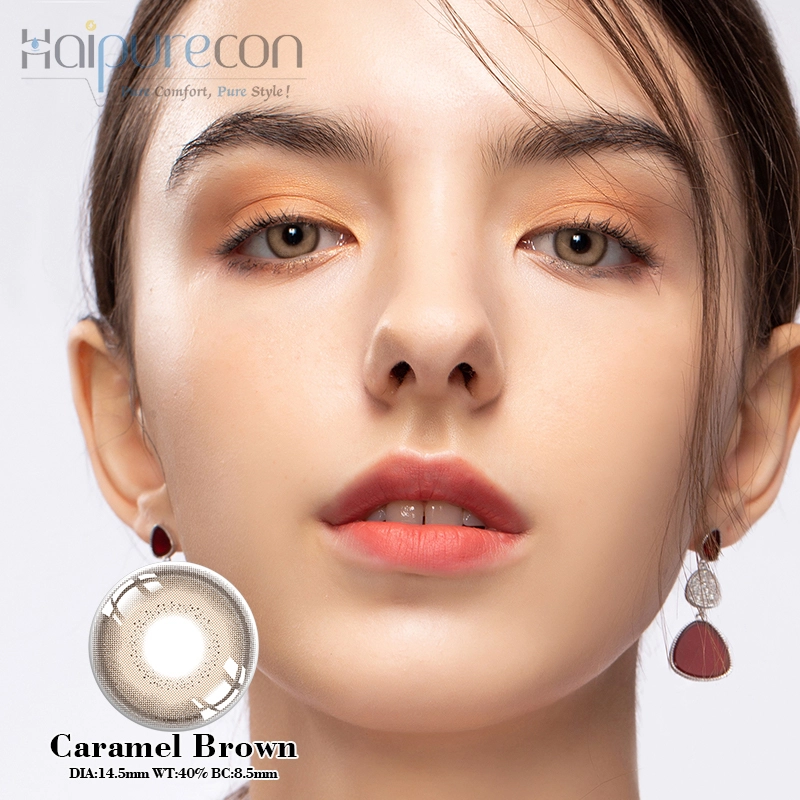
Weekly Contact Lenses (also called bi‑weekly lenses) offer a middle ground between daily disposables and longer‑term options. As the name suggests, these lenses are worn each day for up to a week and then discarded. They require cleaning and storage in a lens solution nightly.
Recommended Wearing Time:
Advantages:
Cost–effective compared to daily lenses.
Often available in a range of prescriptions, including toric and multifocal.
Considerations:
Monthly Contact Lenses – Long‑Term Comfort
Monthly Contact Lenses are a popular choice among frequent wearers. These lenses are worn daily throughout the month and then replaced with a fresh pair. Monthly contacts require regular cleaning and proper storage to maintain eye health.
Recommended Wearing Time:
Daily Wear: 8–16 hours per day. Many users limit to around 12–14 hours, especially for continuous daily use.
Replacement: Discard after 30 days from opening, even if not worn every day.
Advantages:
Considerations:
Yearly Contact Lenses – Extended Replacement Cycle
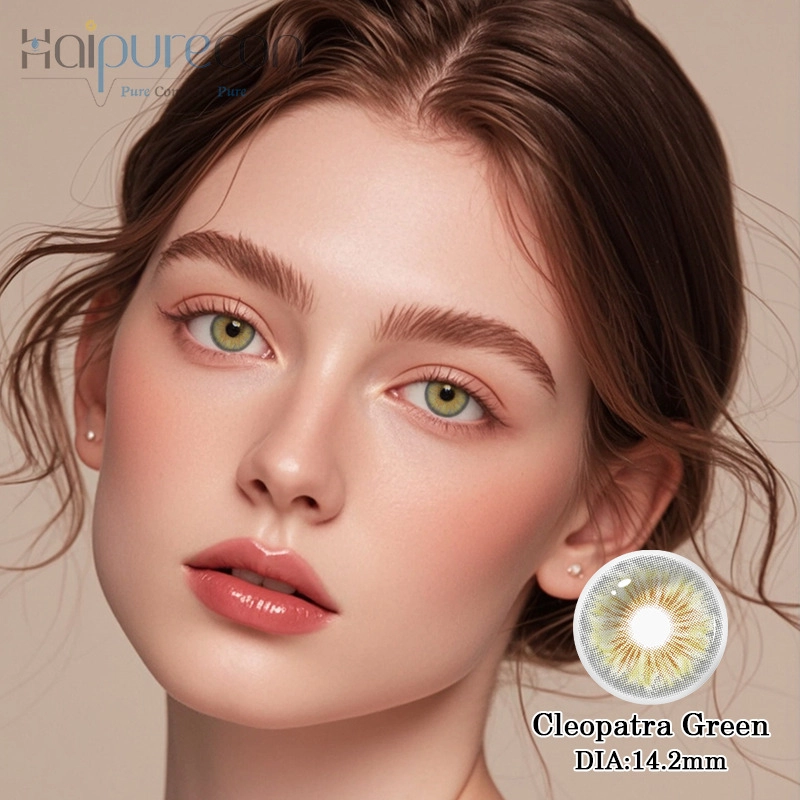
While less common than other disposable options, Yearly Contact Lenses (or reusable lenses that can last up to a year under a doctor’s guidance) remain popular for some wearers who prioritize long replacement cycles.
Recommended Wearing Time:
Daily Wear: 8–14 hours per day is generally recommended.
Replacement: Lenses should be replaced annually, or sooner if they show signs of wear.
Advantages:
Considerations:
Breaking Down Safe Wear Times: What Experts Say
When discussing how long contact lenses can be worn in a single day, most eye care professionals fall within similar guidelines. While some sources propose a broader 8–16 hour wear range (depending on lens type and personal tolerance), others suggest that keeping lenses in for around 8–14 hours per day is a safer general guideline for most wearers.
Other factors that influence daily wear time include:
Eye dryness and sensitivity
Environmental conditions (air conditioning, heating)
Lens material and oxygen permeability
Individual comfort and blink patterns
Ultimately, if you begin to feel irritation, dryness, or blurred vision while wearing contact lenses, it may be a signal to remove them sooner. In these cases, switching to glasses for part of the day can allow your eyes to rest and recover.
Comparing Contact Lens Replacement Schedules
Understanding the wear duration (how many hours per day) is only part of responsible contact lens use. It’s equally important to follow the replacement schedule for your lenses—whether daily, weekly, monthly, or yearly.
| Lens Type | Use Span | Daily Wear Time | Care Required |
| Daily Contact Lenses | 1 day | Up to 16 hours | No care/cleaning necessary |
| Weekly Contact Lenses | 7 days | Up to 16 hours | Clean & store nightly |
| Monthly Contact Lenses | 30 days | Up to 16 hours | Clean & store nightly |
| Yearly Contact Lenses | 1 year | Up to 14 hours | Consistent care & monitoring |
Each type has its own balance of convenience, cost, and care requirements. For example, daily lenses are most hygienic but can be more expensive if worn daily, while yearly lenses require careful cleaning but reduce the frequency of replacing lens supplies.
Current Trends in Contact Lens Wear Time
Recent trends in the contact lens industry emphasize convenience and eye health. Notably:
1. Rise of Daily Contact Lenses
Eye care professionals increasingly recommend Daily Contact Lenses due to improved hygiene and reduced risks of bacterial buildup compared to longer‑term lenses. Because each pair is fresh, there is less chance of deposits forming on the lens surface.
2. Advances in Lens Materials
Modern materials—such as silicone hydrogel—improve oxygen transmission, making contact lenses more comfortable for longer wear. However, even advanced lenses should not be worn while sleeping unless specifically approved by an eye care provider. Extended wear options may allow overnight wear for a limited number of days if prescribed.
3. Personalized Wear Schedules
Eye doctors increasingly tailor wear and replacement schedules based on each patient’s eye health, dryness levels, and daily activities rather than relying solely on manufacturer recommendations.
Best Practices for Wearing Contact Lenses Safely
To maximize comfort and minimize risk, follow these professional recommendations:
Always follow your eye care provider’s instructions regarding daily wear time and replacement schedules.
Do not sleep in lenses unless specifically approved. Sleeping in non‑approved lenses significantly increases infection risk.
Replace lenses exactly as scheduled—discard daily lenses after one wear; weekly after 1 week; monthly after 30 days; yearly as advised.
Clean and store reusable lenses properly every night with fresh solution.
Give your eyes breaks when possible—especially if you sense irritation or dryness.
FAQs
1. Can I wear contact lenses for 24 hours straight?
No. Most contact lenses should be taken out before sleep unless they are specifically prescribed for extended overnight wear. Sleeping in lenses not designed for that purpose increases the risk of infection and other complications.
2. Does wearing contact lenses longer than recommended harm my eyes?
Yes. Wearing lenses beyond the recommended daily duration can restrict oxygen flow to the cornea, leading to dryness, irritation, or more serious complications like corneal swelling.
3. Why do daily lenses often feel more comfortable than monthly ones?
Daily lenses are fresh every day and do not accumulate protein or debris, making them feel more comfortable and hygienic compared to reusable lenses that can build up deposits over time.
4. Can I wear monthly contact lenses if I only use them sometimes?
Yes, but you must discard monthly lenses 30 days after opening, even if you only wore them a few times, to avoid safety risks.
5. Are contact lenses safe for people with dry eyes?
Many people with dry eyes can wear contact lenses, but they may need specialized lens materials or more frequent breaks, and you should consult your eye care provider for personalized advice.


