When you pick a contact lens, you want good vision and safety. You also want to keep your eyes healthy. Daily contacts give you a new lens each day. This makes it easy to stay clean and comfortable. Weekly lenses last longer but need cleaning to be safe. Many people choose daily lenses because they are easy to use. Others like weekly lenses because they cost less and make less trash. The table below shows how these things compare. It can help you choose what works for you.
Factor | Daily Lenses | Weekly Lenses |
Comfort | Feels good every day with a new lens | Feels good if you clean them right |
Cost | Costs more if you wear them all the time | Costs less and saves money |
Hygiene | Very clean, not much chance of infection | Needs careful cleaning to stay safe |
Waste | Makes more trash from packaging | Makes less trash |
Lifestyle | Good for busy or part-time users | Good for people who wear them daily |
Key Takeaways
Daily contact lenses are very clean. You use a new lens each day. This lowers your chance of getting an eye infection.
Weekly contact lenses help you save money. They last longer and you do not need to buy them as often. This means you spend less money over time.
Think about your daily life when picking lenses. Daily lenses are good for people who are busy. Weekly lenses are better for people who want to change lenses less often.
You must take good care of weekly lenses. Clean and store them every night. This helps stop eye problems and infections.
Talk to an eye doctor for advice just for you. They can help you pick the best lenses for your eyes.
What Is a Daily Contact Lens?
Single-Use Design
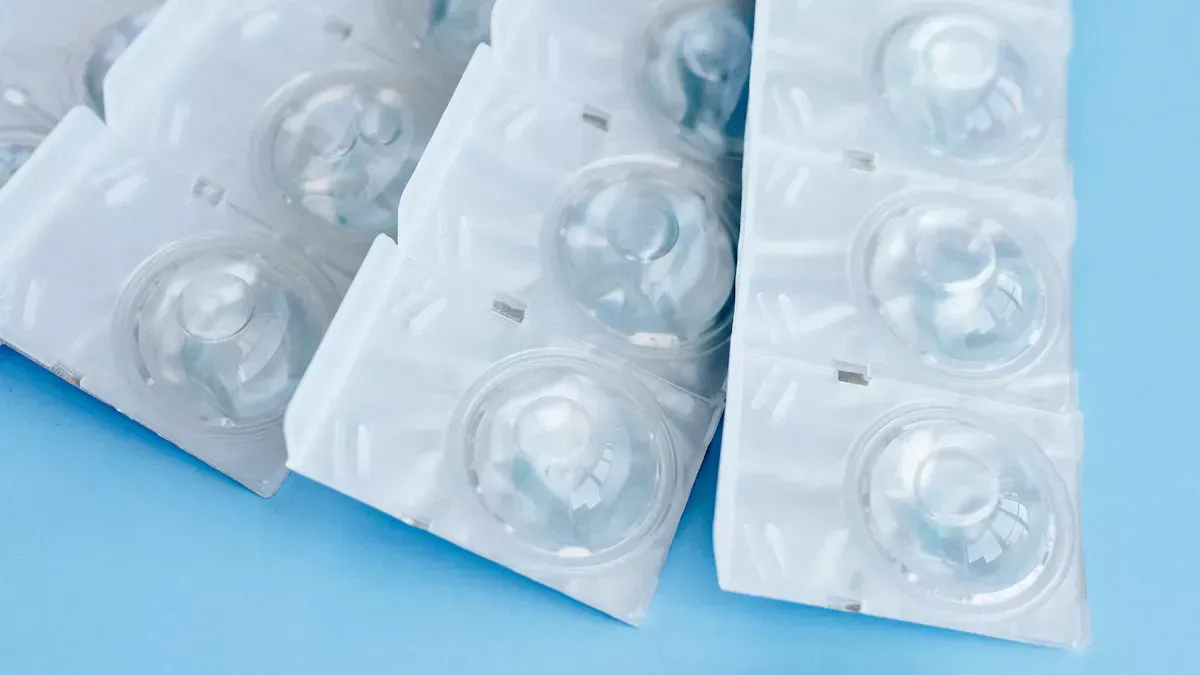
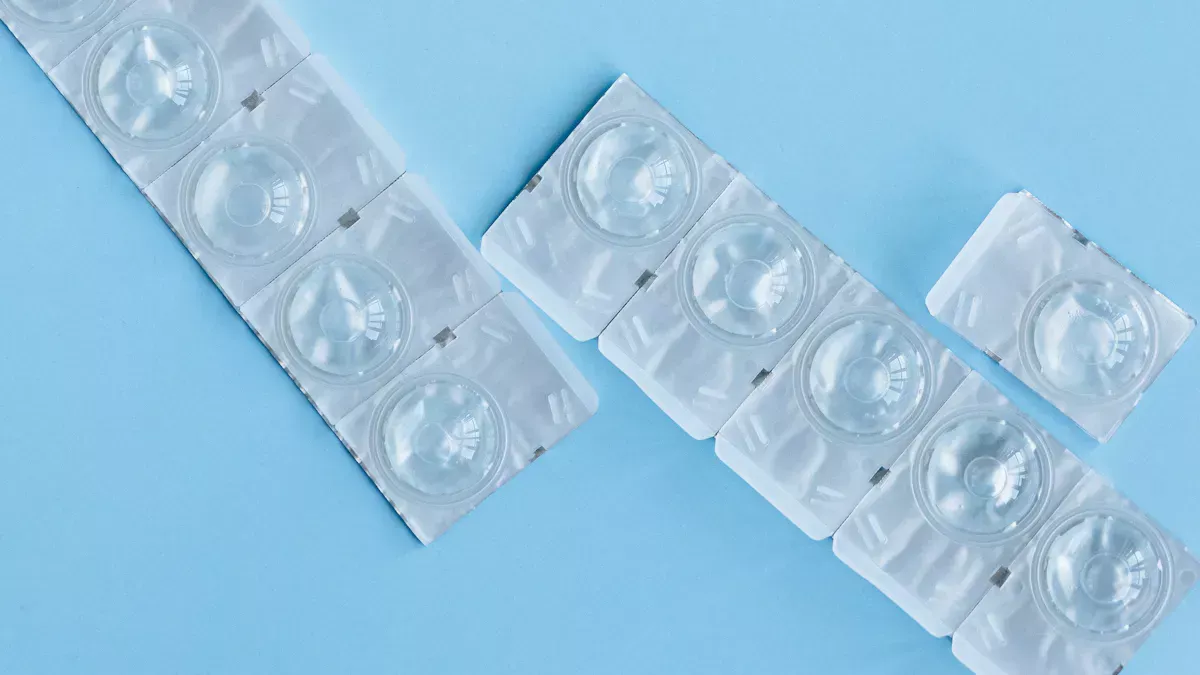
You use a daily contact lens once and then throw it away. This single-use convenience means you start each day with a fresh lens surface. Major eye health organizations say you should remove daily contacts at night. You should never sleep in them. Daily contact lenses are not for overnight wear because this can lead to serious eye infections. You do not need to clean these lenses or store them. You just open a new pack each morning. This makes daily contacts the most hygienic option for many people. You avoid the build-up of allergens and protein deposits that can happen with other types of contacts.
Daily contacts are ideal for travelers or people who forget cleaning routines.
You do not need cleaning solutions or storage cases.
You reduce your risk of eye infections and irritation.
Hygiene and Convenience
Daily contact lenses offer top hygiene. You use a new lens every day, so you do not give germs a chance to grow. This makes daily contacts a smart choice if you worry about eye infections. You do not need to remember cleaning steps. You just toss the used lens and start fresh. Many people with allergies choose daily contacts because they help keep eyes clear and healthy. You also save time in your routine. The convenience of daily contacts fits busy lifestyles.
Tip: If you have a hard time keeping up with cleaning, daily contacts can make your life easier.
Comfort and Fit
You get optimal comfort with daily contacts. Each day, you place a new, soft lens on your eye. This helps keep comfort levels high. You do not feel the dryness or irritation that can come from wearing the same lens for days. Many users say daily contacts feel light and smooth. The fresh lens surface helps you avoid discomfort. Some people with dry eye disease may still feel dryness, but most enjoy better comfort levels with daily contacts. You also do not need to worry about the lens getting stiff or dirty over time. Disposable daily contacts give you a clean, comfortable start every morning.
User Experience Aspect | Description |
Discomfort | Up to 50% of wearers experience discomfort, especially those with dry eye disease. |
Cost | Daily lenses are generally more expensive but eliminate the need for cleaning solutions. |
Convenience | Daily disposal reduces the risk of infections and enhances hygiene. |
What Is a Weekly Contact Lens?
Weekly contact lenses are another way to help you see better. Experts say you wear these lenses for 7 to 14 days. You take them out every night and put them in a clean case with new solution. Some people call them bi-weekly contact lenses. They last longer than daily contacts but not as long as monthly ones. Weekly contacts give you a good mix of easy use and saving money.
Durability and Thickness
Weekly contact lenses feel thicker than daily ones. This makes them strong enough to last up to two weeks. The material does not tear easily and keeps moisture well. If you clean them right, they stay comfortable. These lenses help your eyes see well for longer than daily contacts. But they do not last as long as monthly contacts. Many people think weekly contacts are both strong and comfortable.
Maintenance and Cleaning
You must clean and store your weekly contact lens every night. This keeps your eyes healthy. If you forget to clean them, stuff can build up on the lens. This can make your eyes feel itchy or red. You might also get allergies from dirty lenses. Not cleaning your lenses can cause bad infections or even hurt your vision forever. Here are some things to remember:
Cleaning and storing your lenses takes extra time.
Allergens can stick to the lens and bother your eyes.
If you are sensitive, your eyes may get irritated a lot.
Tip: Always use new solution and a clean case to help stop infections.
Cost and Waste
Weekly contact lenses cost less than daily ones but more than monthly ones. You buy fewer lenses than with daily contacts, so you make less trash. You still need to buy cleaning solution and cases, so add that to your cost. Many people pick weekly contacts to save money and make less waste. If you want to spend less and not make too much trash, weekly contacts could be a good choice. You get clear vision without paying as much as daily lenses or wearing them as long as monthly ones.
Pros and Cons of Daily Contact Lenses
Hygiene Benefits
You get the best hygiene when you use a daily contact lens. Each morning, you open a new, sterile lens. This fresh start helps you avoid bacteria and protein buildup. You do not need to worry about cleaning or storing your contacts. You lower your risk of eye infections because you do not reuse lenses. Many eye doctors say that daily contacts are the safest choice for your eyes. You do not need to remember any cleaning steps. You just throw away the used lens at night. This routine gives you peace of mind about your eye health. You do not need to worry about missing a cleaning step or using the wrong solution. You can trust that your eyes stay healthy with proper care.
Convenience Factors
You enjoy maximum convenience with daily contact lenses. You do not need to buy cleaning solutions or storage cases. You save time every day because you skip the cleaning process. You can travel or play sports without packing extra supplies. You just bring enough contacts for each day. You do not need to worry about losing a lens or running out of solution. You always have a backup in your pack. This makes daily contacts perfect for busy people. You can focus on your day instead of your lens care. You get maximum convenience and less stress about proper care.
Tip: If you have a busy schedule or travel often, daily contact lenses can make your routine much easier.
Cost and Waste Impact
You pay more for daily contact lenses over time. The cost adds up if you wear contacts every day. You do not need to buy cleaning solutions, but the price of new lenses is higher than other types. You may spend more money if you use contacts full-time. You also create more waste because you throw away a lens and its package each day. This can be a concern if you care about the environment. You need to think about your budget and your values. If you want the best hygiene and maximum convenience, you may decide the higher cost is worth it. If you want to save money or reduce waste, you may want to look at other options. Proper care means thinking about both your eyes and the world around you.
Aspect | Daily Contact Lenses | Monthly Contact Lenses |
Hygiene | Fresh, sterile pair every day minimizes risk of buildup and infection. | Requires cleaning, increasing risk of contamination. |
Convenience | No cleaning, cases, or solutions required. | Requires nightly cleaning and storage. |
Cost | Generally higher long-term cost for full-time wearers. | More cost-effective for regular use. |
Waste | More plastic waste due to single-use packaging. | Less waste over time with fewer replacements. |
Pros and Cons of Weekly Contact Lenses
Durability Advantages
Weekly contact lenses are strong and last longer. They use thicker material than daily contacts. This makes them harder to tear. You can handle them without worrying about rips. Many people say weekly contacts keep their shape well. You get steady vision and less damage. If you play sports or move a lot, you may like their strength.
Here is a quick look at how weekly and daily contacts compare:
Feature | Weekly Contact Lenses | Daily Contact Lenses |
Durability | Thicker material, less prone to tearing | Thinner, more prone to tearing |
Maintenance Needs
You have to clean and store weekly contacts every night. This keeps your eyes healthy. Weekly contacts need more care than daily ones. You use solution and a case to clean them. If you skip cleaning, you could get an eye infection. Always follow the cleaning steps for your contacts. This takes extra time each day. Some people find it easy, but others forget. If you want something easier, daily contacts might be better. Weekly lenses need more care, but you can use them longer.
Feature | Weekly Contact Lenses | Daily Contact Lenses |
Maintenance | Requires cleaning and storage daily | No cleaning required, more hygienic |
Tip: Set a phone reminder to clean your contacts every night. This helps protect your eyes.
Cost Efficiency
Weekly contact lenses can help you save money. You buy fewer lenses than with daily contacts. The first cost for weekly contacts is usually lower. You do need to buy solution and cases, but the lenses cost less. Many people pick weekly contacts to save money and get good quality. If you wear contacts every day, weekly lenses help you stick to your budget. You get good value and still feel safe and comfortable.
Feature | Weekly Contact Lenses | Daily Contact Lenses |
Cost Efficiency | Generally less expensive initially | Higher initial cost, but no cleaning costs |
Note: Remember to add the cost of cleaning supplies when you plan your budget.
Contact Lens Comparison Table
Choosing the right contact lens can feel confusing. You want to know how daily and weekly lenses compare in real life. This section gives you a clear, side-by-side look at the most important factors. You can use this guide to help you decide which type fits your needs best.
Hygiene
Hygiene matters for your eye health. Daily contacts give you a fresh, clean lens every day. You do not need to clean or store them. This lowers your risk of infection. Weekly lenses need more care. You must clean and store them each night. If you skip steps, germs can grow in the lens case. This can lead to eye problems.
Hygiene Risk Factor | Daily Disposable Lenses | Weekly Reusable Lenses |
Contamination Source | No lens case, less risk | Lens case can harbor bacteria |
Cleaning Requirement | No cleaning needed | Needs regular cleaning |
Risk of Biofilm | No chance for biofilm | Higher risk of biofilm |
Hygiene Compliance | Simple, easy to follow | More complex, often skipped |
Infection Risk | Lower | Higher |
Note: Most people forget at least one cleaning step. This can raise your risk of infection with weekly lenses.
Comfort
Comfort helps you wear your contacts longer each day. Daily lenses often feel softer and lighter. You start with a new lens every morning, so your eyes stay fresh. Weekly lenses use thicker material. They last longer but may feel less smooth by the end of the week. Some people notice more dryness with weekly contacts.
Lens Type | Median Comfortable Wear Time | End-of-Day Comfort Rating | CLDEQ-8 Score |
Daily | 8.5 hours | 80 | 13 |
Weekly | 6.0 hours | 75 | 17 |
Tip: If you want the best comfort, daily contacts may help you wear them longer without irritation.
Cost
Cost can affect your choice. Daily lenses cost more each year because you use a new pair every day. Weekly lenses cost less, but you need to buy cleaning solution and cases. You may save money with weekly contacts if you wear them all the time.
Lens Type | Annual Cost Range |
Daily Lenses | $200 - $600 |
Weekly Lenses | $150 - $400 |
Remember to add the price of cleaning supplies for weekly lenses when you plan your budget.
Durability
Durability means how long your contacts last before you need to replace them. Daily lenses are thin and soft. You throw them away after one use. Weekly lenses are thicker and stronger. You can use them for up to seven days if you clean them well. Some brands let you wear weekly lenses for six nights and seven days without taking them out, but you should always follow your eye doctor's advice.
Type of Lens | Replacement Schedule |
Daily Contact Lenses | Replace every day |
Weekly Contact Lenses | Replace every week (up to 7 days) |
Daily contacts let oxygen and tears reach your eyes, but you must replace them often.
Weekly lenses keep their shape and comfort for longer, even after many days.
Environmental Impact
You may care about the waste your contacts create. Daily lenses make more trash because you throw away a lens and its package every day. Weekly lenses make less lens waste, but you also throw away cleaning solution bottles and cases. These items can add up over time.
Type of Lens | Annual Waste Generation | Extra Notes |
Daily Disposable Lenses | ~1 kg | Includes packaging waste |
Weekly Lenses | ~0.87 kg | Adds waste from solution bottles and cases |
Lens Case | Equals 4 years of daily disposables | Cases can last a long time but create plastic waste |
Cleaning Solution | Equals 2.5 years of daily disposables | Solution bottles add to plastic pollution |
Eco-friendly options now exist. Some brands use biodegradable materials to help reduce waste.
You can use this table to compare the main features of daily and weekly contacts:
Feature | Daily Contact Lenses | Weekly Contact Lenses |
Hygiene | Best, no cleaning needed | Good, but needs cleaning |
Comfort | High, fresh lens each day | Good, may feel dry after a week |
Cost | Higher yearly cost | Lower yearly cost |
Durability | Thin, single-use | Thicker, lasts up to 7 days |
Environmental Impact | More waste, but no solution needed | Less lens waste, but more plastic from cases and solution |
You can see that each contact lens type has strengths and weaknesses. Think about your routine, your budget, and your values before you choose.
Choosing Your Contact Lens
Lifestyle Considerations
You need to think about your daily routine before you pick a contact lens. Your activities and habits can help you decide which lenses fit best. If you play sports, travel often, or have a busy schedule, you may want contacts that offer more convenience. If you only wear contacts sometimes, you might like the flexibility of a lens you can use and throw away. If you wear contacts every day, you may want a type that saves money over time.
Here are some things to consider when choosing between daily and weekly lenses:
Your lifestyle and daily activities
Your budget and how much you want to spend
How much time you want to spend on lens care
How often you want to replace your contacts
Your comfort with cleaning and storing lenses
Tip: If you want less cleaning and more convenience, daily lenses may work better for you.
Eye Health Factors
Your eye health should guide your choice of contact lens. Some people have allergies or dry eyes. If you have these issues, you may feel more comfortable with lenses that you replace often. Daily lenses lower your risk of infection because you use a new pair each day. You do not need to worry about bacteria building up in a lens case. If you have allergies, daily lenses help you avoid allergen build-up. You start fresh every morning, which keeps your eyes clear.
Think about these points for your eye health:
Daily disposable lenses lower the risk of infection because you do not need to clean or store them.
People with allergies often feel better with daily lenses because they avoid allergen build-up.
If you have dry eyes, talk to your eye doctor about which contacts will keep your eyes comfortable.
When to See an Eye Care Professional
Signs to Watch For
You need to pay attention to your eyes when you wear contacts. Your eyes can show warning signs if something is wrong. These signs help you protect your safety and avoid infections. If you notice any of these problems, you should stop using your lenses and see an eye care professional right away:
These symptoms can mean you have an infection or another eye health problem. Quick action helps you keep your eyes safe. You should never ignore these signs. Early treatment can prevent serious eye health implications and protect your vision.
Tip: Always wash your hands before touching your contact lens. This simple step improves contact lens safety and lowers your risk of infections.
Customizing Your Lens Choice
You have unique eyes. An eye care professional can help you find the best contacts for your needs. They use special steps to make sure your lenses fit well and keep your safety in mind. Here is how they help you:
Step | Description |
1 | Initial fitting with specialty contact lenses based on examination findings. |
2 | Monitoring of fit, comfort, and visual acuity by the eye care professional. |
3 | Adjustments made to lens design or materials for optimal fit. |
4 | Regular follow-up appointments to ensure continued success and eye health monitoring. |
Specialty lenses can help if you have conditions like astigmatism or dry eyes. These lenses give you clearer vision and better comfort. Your eye care professional will check your eyes, measure their shape, and choose the right lens for you. They will also teach you about contact lens safety and how to avoid infections. Regular visits help you keep your eyes healthy and safe.
Note: Customizing your contact lens choice improves safety and helps you avoid infections. Always follow your eye care professional’s advice for the best results.
You have learned the main differences between daily and weekly contact lens options. Here is a quick summary to help you decide:
Daily contacts give you easy use, no cleaning, and less risk of build-up. They work well for children, teens, and busy people.
Weekly lenses cost less, last longer, and offer more flexibility. You need to clean them every day and watch for allergies or irritation.
You should think about your routine, comfort, and budget before you choose. Always talk to an eye care professional. They will check your eyes, your vision, and your lifestyle to find the best contacts for you. This step keeps your eyes healthy and safe.
Choose the lens that fits your life and keeps your eyes happy!
FAQ
Can I sleep with daily or weekly contacts in my eyes?
You should not sleep with daily or weekly contacts in your eyes. Sleeping with contacts increases your risk of infection and eye problems. Always remove your lenses before bedtime to keep your eyes healthy.
How do I know if I need daily or weekly contacts?
You should think about your routine, budget, and how much time you want to spend on cleaning. Ask your eye doctor for advice. They will help you choose the best contact lens for your needs.
What happens if I forget to clean my weekly contacts?
If you forget to clean your weekly contacts, germs can grow on them. This can cause eye infections, redness, or discomfort. Always clean your lenses every night to protect your eyes.
Are daily contacts better for allergies?
Yes, daily contacts can help with allergies. You use a fresh lens each day, so pollen and dust do not build up. This keeps your eyes more comfortable during allergy season.
Can kids wear contact lenses?
Yes, kids can wear contact lenses if they can follow care instructions. An eye doctor will decide if contacts are safe for your child. Good hygiene is important for young users.